Rinha de galos
A thorough exploration of Rinha de Galos, its cultural impact, ethical concerns, and ongoing debates.
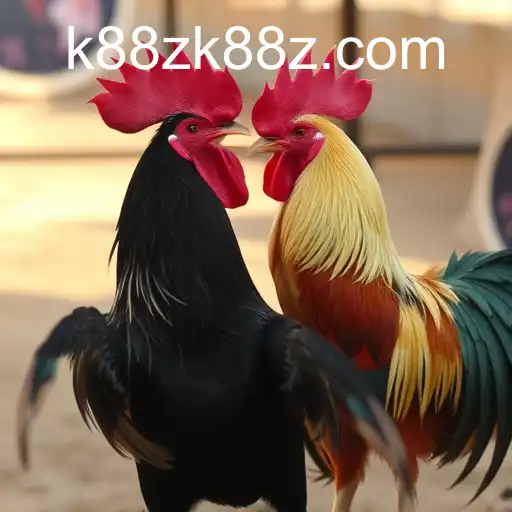
Understanding Rinha de Galos
Rinha de Galos, also known as cockfighting, is a traditional sport that has long sparked debates around the world. Though it is illegal in many regions, the practice continues to thrive, often in clandestine settings. The term itself, Rinha de Galos, is derived from Portuguese and symbolizes the competitive clashes between roosters trained for battle. The cultural significance of Rinha de Galos is notable, with a history that stretches back centuries in various parts of the world.
The Cultural Roots of Rinha de Galos
Historically, cockfighting has been regarded as a symbol of courage and valor in many cultures. Its origins can be traced back to ancient civilizations, where it was considered both a sport and a form of entertainment. In countries like the Philippines, Thailand, and parts of Latin America, Rinha de Galos has deep cultural roots, embedded within societal traditions. It is during festivals and important cultural events that this activity is often highlighted.
The Role of Training in Rinha de Galos
Given the competitive nature of Rinha de Galos, training the birds is a meticulous process. Trainers, often referred to as "culturistas," devote significant time to conditioning the roosters. The process involves controlled feeding, exercise routines, and even sparring sessions to prepare the birds physically and mentally. The methods employed are diverse, varying by region and the particular traditions of the community involved.777ii.com
One of the key aspects is the selective breeding of roosters to produce traits such as aggression, stamina, and agility. The intricate breeding and upbringing are essential factors that distinguish a strong competitor in the cockpit.
Ethical and Welfare Considerations
Despite its historical significance, Rinha de Galos is fraught with ethical concerns. The main issue revolves around animal welfare. Critics argue that the sport is a cruel practice involving the deliberate harm of animals for human entertainment. This has led to significant opposition from animal rights organizations worldwide, which actively campaign against cockfighting.
Animal welfare advocates often highlight the physical injuries inflicted on the roosters during these fights. Many regions have laws that address these concerns, with varying degrees of enforcement and penalties for offenders.f88pg
The Debate on Legalization and Regulation
The question of legalization and regulation remains contentious. Proponents of Rinha de Galos argue that with proper regulation, the welfare of the animals can be protected while preserving cultural heritage. They suggest supervised environments where veterinary oversight and rules could minimize harm to the animals.
Conversely, opponents maintain that the inherently violent nature of the sport cannot be reconciled with animal welfare principles. They argue for a complete ban, emphasizing that no form of such entertainment justifies cruelty.
Rinha de Galos and Its Impact on Society
The impact of Rinha de Galos extends beyond the immediate spectacle of the fight. It plays a role in the social and economic aspects of communities where it is practiced. For many, it provides livelihood opportunities, from breeding to organizing events. In certain rural areas, these gatherings foster communal ties, acting as social events that can bring people together.
However, it is important to note that illicit gambling often accompanies Rinha de Galos. Betting on outcomes adds an additional layer of complexity to the sport's social impact, raising concerns about the potential for illegal economic activities and the influence of organized crime.5526
The Role of Legislation and Law Enforcement
Handling Rinha de Galos within the framework of the law varies globally. In places where it has been banned, authorities face challenges in enforcing these laws effectively, often due to the covert nature of its practice. Law enforcement agencies work to dismantle such underground operations, though critics argue resources might be better spent elsewhere.
In regions where it remains legal or tolerated, regulations differ widely. Efforts to implement stricter controls and improve animal welfare standards are ongoing topics of discussion among policymakers.PV555
The Future of Rinha de Galos
The future of Rinha de Galos seems to hinge on a balance between cultural preservation and ethical considerations. As global awareness grows regarding animal rights, the spotlight on traditional practices involving animal combat intensifies. The evolution of societal values continually pressures traditional sports to adapt or face obsolescence.63C
For many advocates, the integration of humane treatment standards represents a potential path forward. However, the dichotomy between tradition and cruelty continues to fuel the debate on whether Rinha de Galos has a place in modern society.
Final Thoughts
The intricate world of Rinha de Galos remains a point of contention across the globe. The sport's cultural heritage and economic implications are weighed against ethical standards and animal rights. Whether change comes through regulation, cultural shift, or legislative action, the conversation around Rinha de Galos is unlikely to dissipate anytime soon, as stakeholders from various sectors contribute their voices to this ongoing discourse.